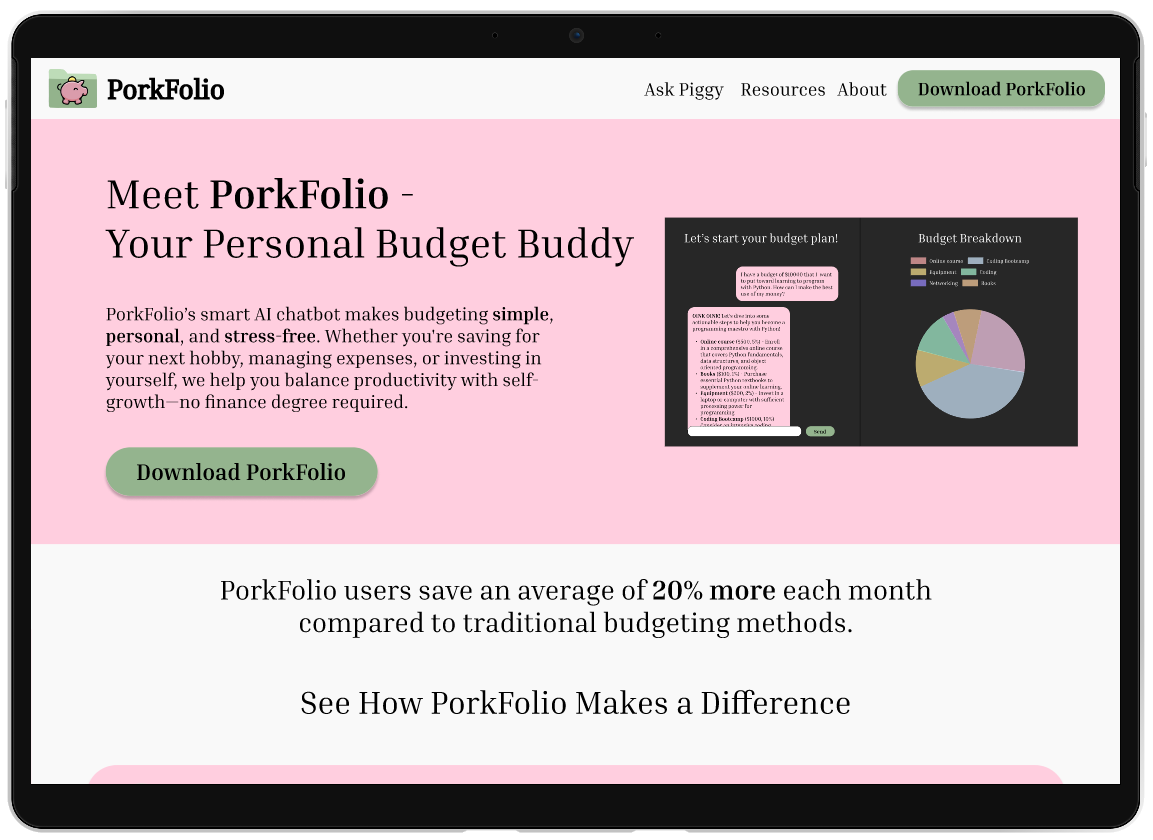
Mockups of the PorkFolio website displayed in a laptop screen and the desktop app interface.
Website & App Design, Front-end Development, AI API

PorkFolio

PorkFolio is an AI-powered budgeting chatbot that helps users invest in hobbies and personal growth—without the stress or complexity. Designed for people exploring new skills and those with little financial knowledge, it reimagines personal finance through approachable AI.

Built during a 24-hour hackathon, the project was recognized as a winning submission, praised for its clean UX, accessibility, and creative take on financial wellness.
ROLE
Lead UX/UI &
Front-end Designer
TEAM
Giselle Rosales
Maggie Li
Julia Guo
tools used
Figma
HTML/CSS
GitHub
Tauri (Rust)
Gemini API
TIMELINE
February 8, 2025
(24-hr hackathon)

reframing personal finance for curious beginners

Question mark icon
problem
When brainstorming everyday financial pain points, my team noticed a recurring theme: many people want to explore new hobbies or skills, but feel stuck—not by motivation, but by money. Budgeting for classes, materials, or tools can be overwhelming, especially for people without a financial background.
Star icon
opportunity
We saw an opportunity to rethink how budgeting tools could support personal growth—not just saving or spending. Most financial apps are utilitarian, not motivational. That’s where PorkFolio comes in: an AI-powered budgeting assistant that helps people confidently invest in themselves.
Exclamation mark icon
solution
We set out to design a tool that’s not just functional, but approachable—one that demystifies budgeting for users who are curious, ambitious, and maybe just getting started.

rapid sketching

Laying the Groundwork Fast
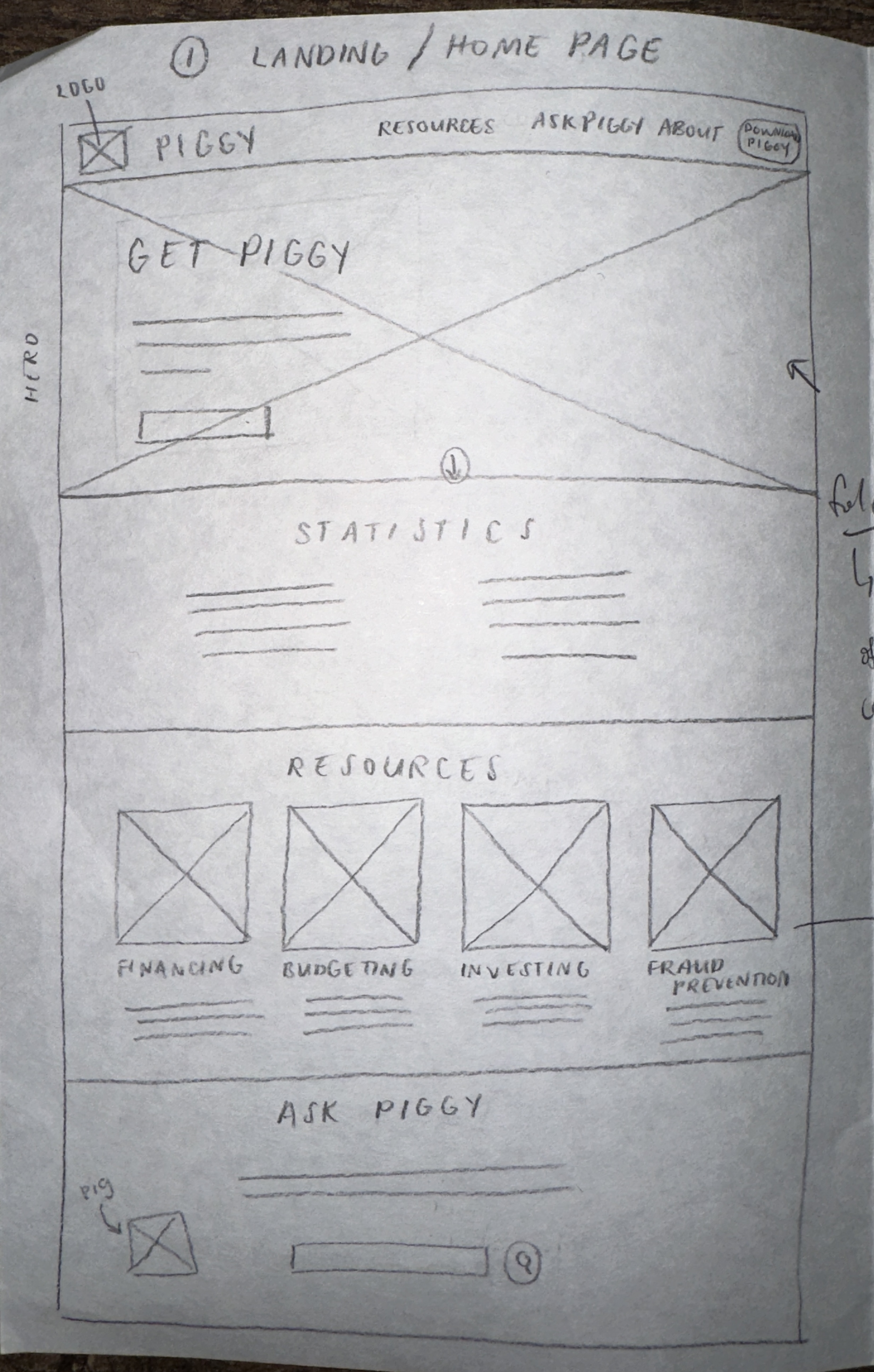
We kicked off our design process with quick, low-fidelity sketches to get ideas out of our heads and onto paper. With only 24 hours to build the project, speed and clarity were key.

I created early paper wireframes to define the layout and content flow for both the app and marketing site. For the landing page, I focused on clear information hierarchy, call-to-action placement, and a layout that would guide users naturally down the page.

→ Rapid sketching helped us align quickly as a team, clarify scope, and save time before prototyping.
First Iteration: Paper Wireframe of the Landing Page
Paper wireframe sketch of the PorkFolio website landing page.
Early sketch mapping out the structure and key elements of the marketing site landing page.

digital wireframing

Building Structure and Flow in Figma
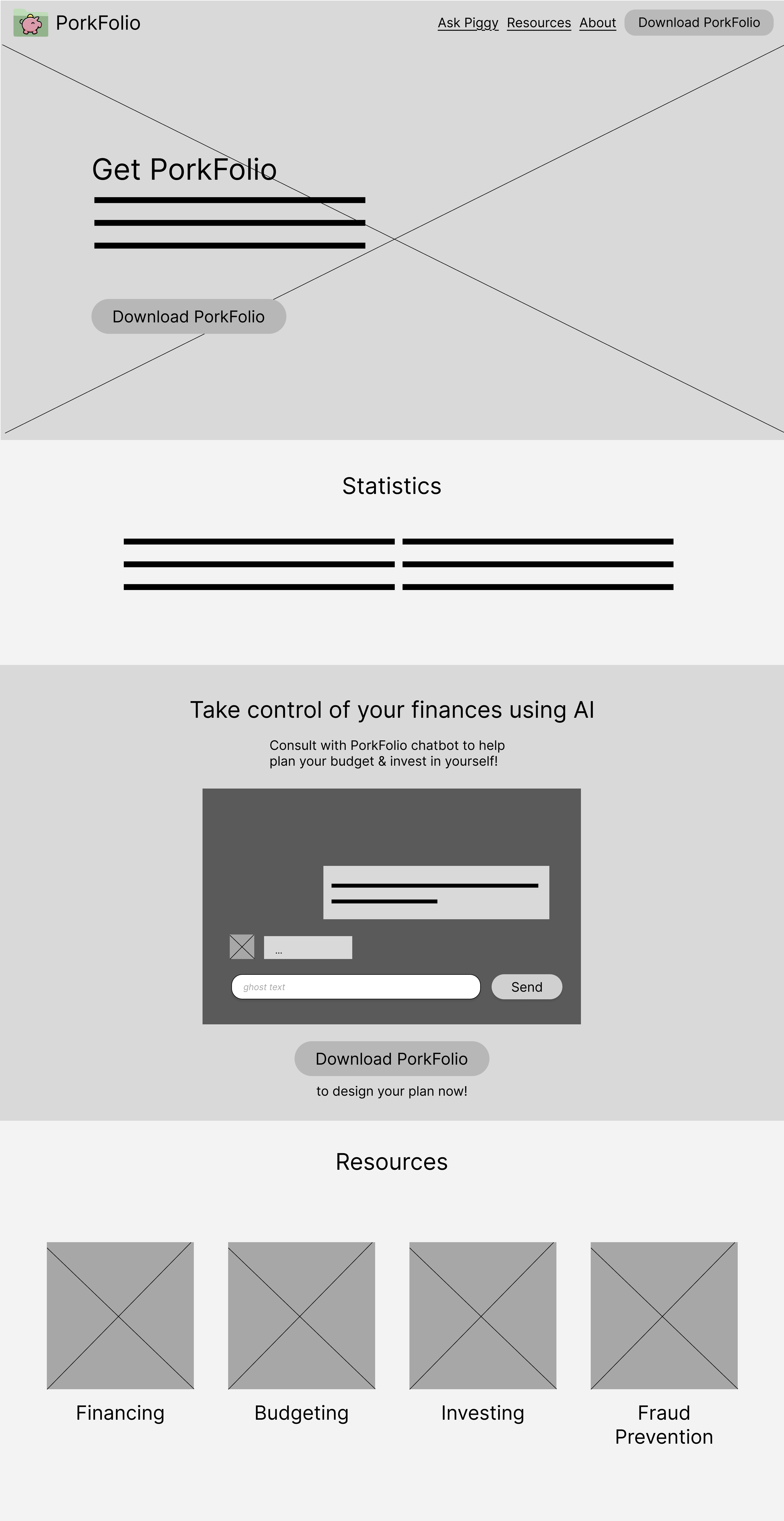
After sketching on paper, I brought our ideas into Figma to establish the structure and layout of both the marketing site and the desktop app.

This wireframe phase focused on content hierarchy, flow, and usability before diving into visuals. Collaborating with my teammate who was exploring logo and visual identity, I worked to make sure our designs were functional, intuitive, and feasible to implement.

→ These wireframes became the blueprint for both our high-fidelity prototype and final coded designs.
My contributions
  • Built low-fidelity wireframes in Figma based on initial sketches
  • Prioritized clarity, accessibility, and minimal cognitive load
  • Incorporated peer and mentor feedback to guide layout decisions
Low-fidelity wireframe of the Landing Page
Low-fidelity wireframe of the PorkFolio website landing page in Figma.
Homepage layout structured for scanability and quick user onboarding.

high-fidelity mockups & prototype

Turning Structure into a Polished, Accessible Experience
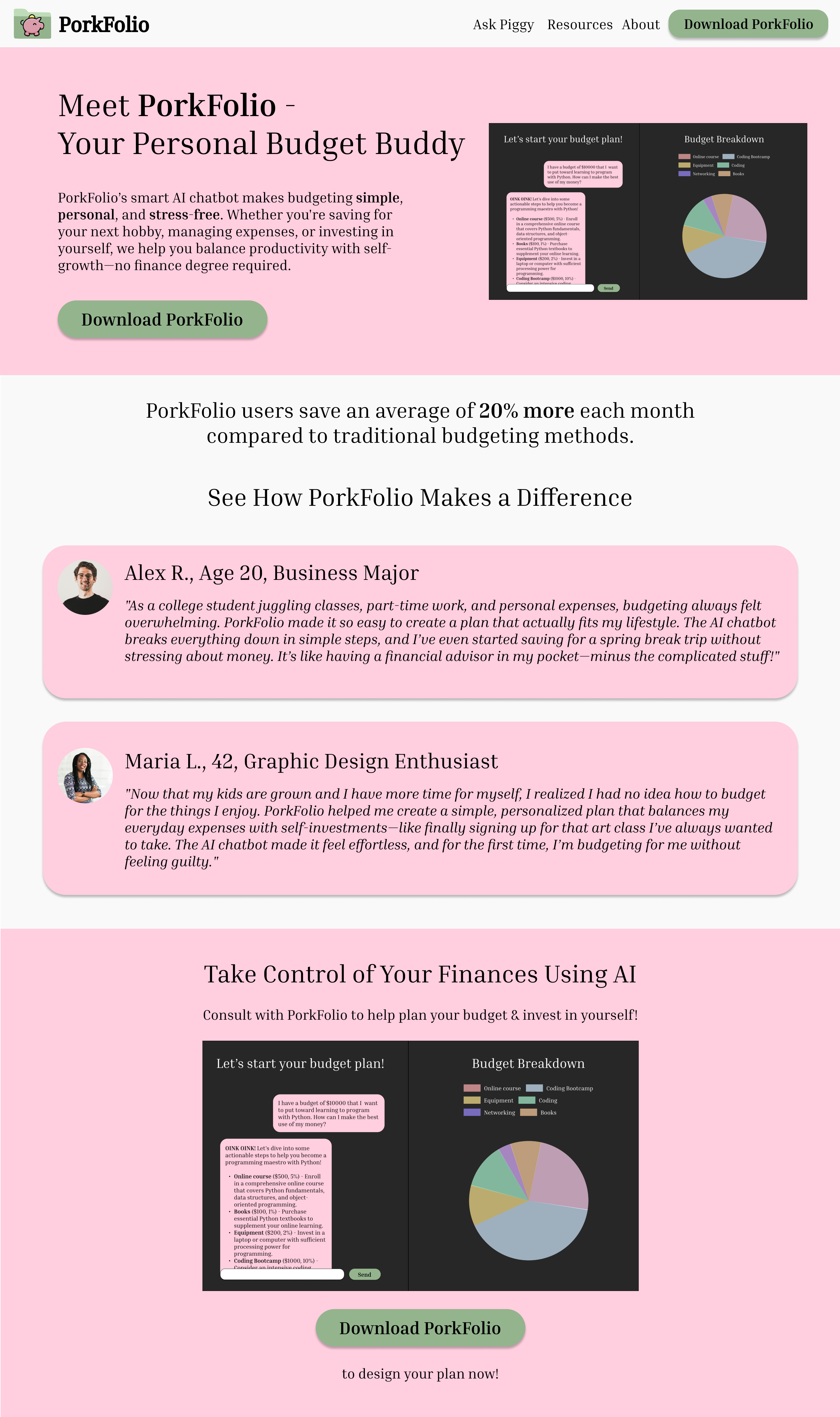
Building on our wireframes, I created high-fidelity mockups and interactive prototypes in Figma. I focused on a clean, approachable interface that made budgeting feel less intimidating, especially for users new to finance.

To strengthen our designs, we sought out feedback from a senior UX professional, who helped us refine layout, readability, and overall accessibility.

→ I made data-driven design decisions based on feedback, such as replacing low-impact sections with testimonials, condensing content for readability, and adjusting layout to give users a better visual flow.
My contributions
  • Developed interactive Figma prototype for desktop website
  • Applied accessibility principles (WCAG contrast ratio, legibility)
  • Refined layout based on mentor feedback to enhance readability
  • Collaborated on visual identity to reflect trust and ease of use
→ Our polished prototype helped guide development hand-off and ensured consistency across design and code.

final designs

Our final designs showcase a clean, user-friendly interface focused on accessibility and simplicity. The marketing website was streamlined due to time constraints, while the app delivered a Minimum Viable Product (MVP) highlighting the core budgeting chatbot functionality.

Although the chatbot UI is still evolving, it demonstrates practical AI integration to help users manage finances and invest in personal growth.

→ These designs provided a solid foundation for further development and user engagement.
My contributions
  • Detailed mockups for the website and app
  • Clear handoff to developer to ensure design consistency
  • Supported quality checks by verifying front-end code matched designs
final website & app
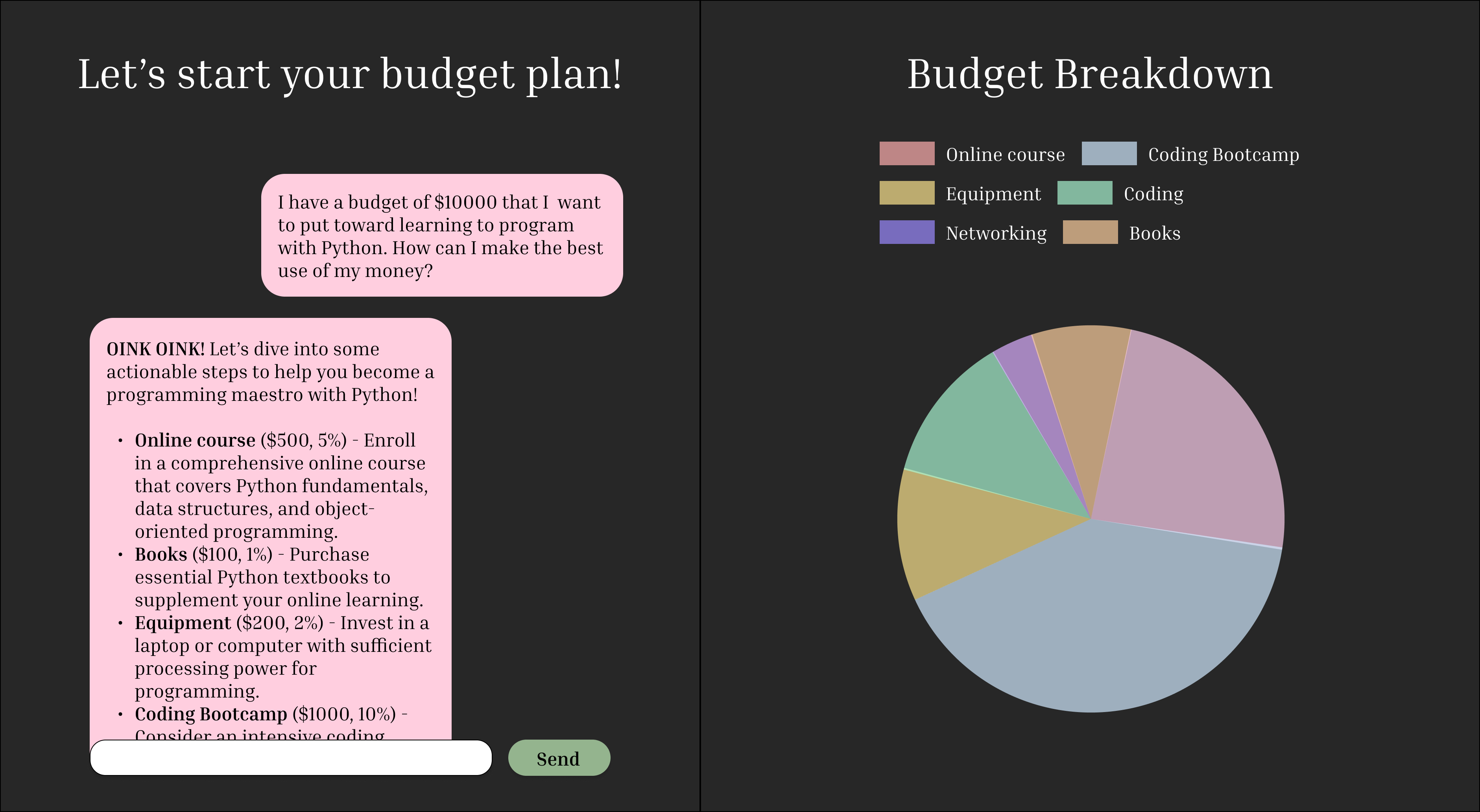
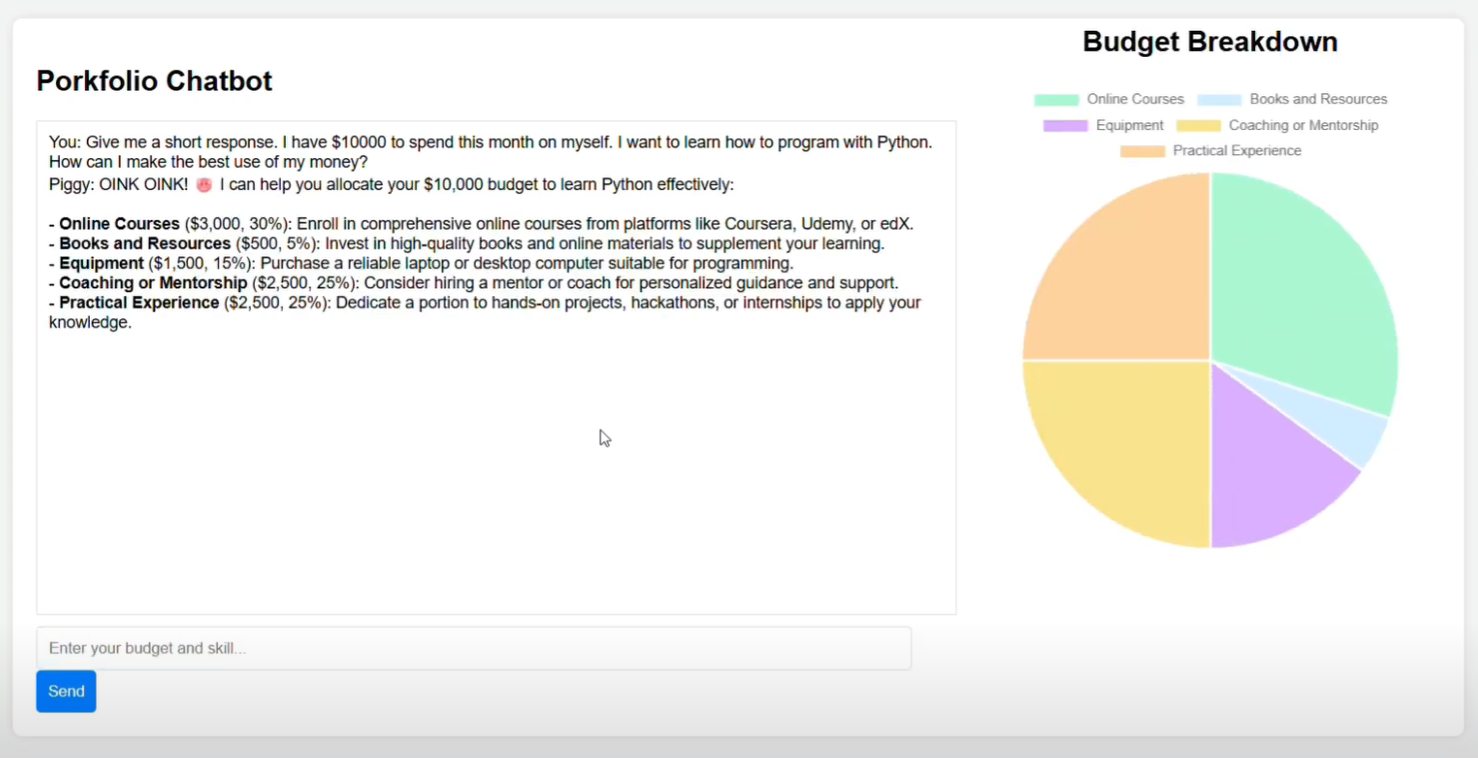
Shown here are the polished website landing page, the app mockup illustrating the user interface, and a screenshot of the working chatbot app. Together, they represent the look and feel we aimed to deliver within the hackathon’s time constraints, balancing design clarity with functional AI integration.
High-fidelity mockup of the PorkFolio website landing page in Figma.
Website Landing Page
Clean, user-friendly design focused on accessibility and clear information hierarchy.
High-fidelity mockup of the PorkFolio desktop app interface.

App Mockup
Visual prototype showcasing the chatbot interface and budgeting features.
Sample output of the PorkFolio chatbot and budget visualization using a pie chart.

Functional Chatbot Screenshot
Working app interface with core chatbot functionality integrated during the hackathon.

team collaboration

  • Role & Coordination: As Lead UI/UX and Front-End Designer, I coordinated task delegation based on each member’s strengths, ensuring efficient progress despite time constraints.
  • Communication: We maintained frequent check-ins every hour to share updates, provide feedback, and troubleshoot together, fostering open and supportive teamwork.
  • Adaptability: When a team member had to drop out due to illness on the final day, we quickly redistributed tasks to stay on track and meet our deadline.
→ This collaborative approach helped us stay aligned and deliver a polished product within just 24 hours.
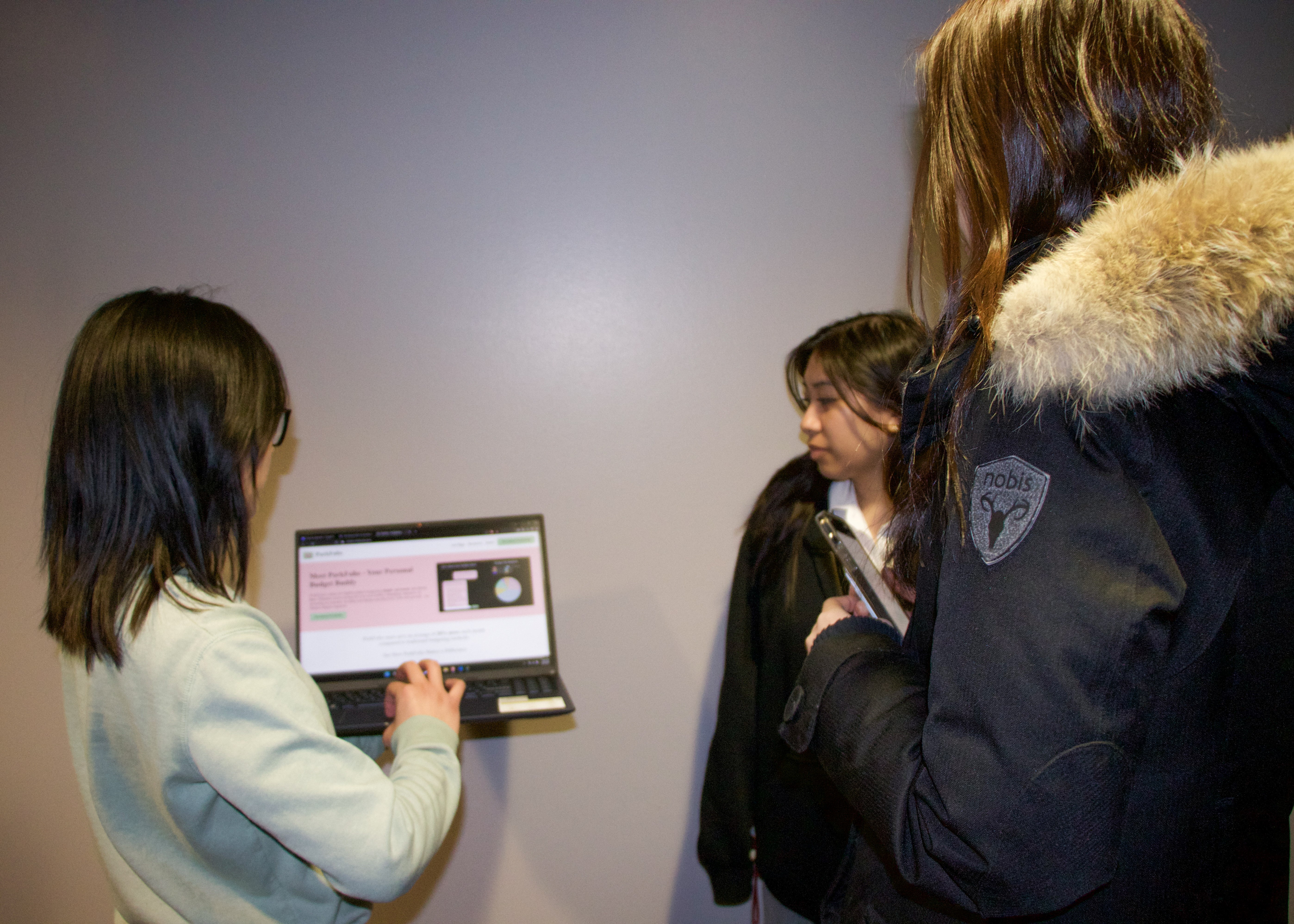
PorkFolio team presenting the website and app.
Presenting PorkFolio at the hackathon—showcasing our chatbot, design process, and cross-functional teamwork.

reflections, learnings & takeaways

What I Learned
Working on PorkFolio during a 24-hour hackathon pushed me to grow as both a UX designer and team leader. I gained confidence in my ability to design under pressure, make fast yet thoughtful design decisions, and guide a team through high-stakes problem solving. Collaborating with a professional UX mentor also deepened my understanding of accessibility, information hierarchy, and visual clarity.

This was also my first time supporting a build using the Tauri framework, and while I wasn’t focused on backend, checking implementation against my designs helped me understand how to bridge design and development more smoothly.
Accomplishments I’m Proud Of
  • Created a friendly, functional MVP: From ideation to delivery, we successfully shipped a working chatbot and supporting website in under 24 hours.
  • Validated, accessible design: Our interface was praised by a Lead UX/UI professional for its clean layout, accessible color palette, and easy-to-read typography.
  • Brought personality to finance: PorkFolio’s name, mascot, and voice–like the “Oink oink!” greeting–were crafted to make financial advice less intimidating and more engaging.
  • Led with intention: I formed the team, delegated tasks based on strengths, and facilitated structured check-ins that helped us stay focused and meet our deadline.
  • Prioritized what mattered: We pivoted and cut features when needed, allowing us to focus on quality and usability for the most essential parts of our product.
  • Communication: We maintained frequent check-ins every hour to share updates, provide feedback, and troubleshoot together, fostering open and supportive teamwork.
  • Adaptability: When a team member had to drop out due to illness on the final day, we quickly redistributed tasks to stay on track and meet our deadline.
final takeaways
PorkFolio showed me how intentional design can make complex topics feel more human and approachable. Even in a time-crunched setting, the right design choices can empower people to take action, and that’s a reminder I’ll carry into every future project.
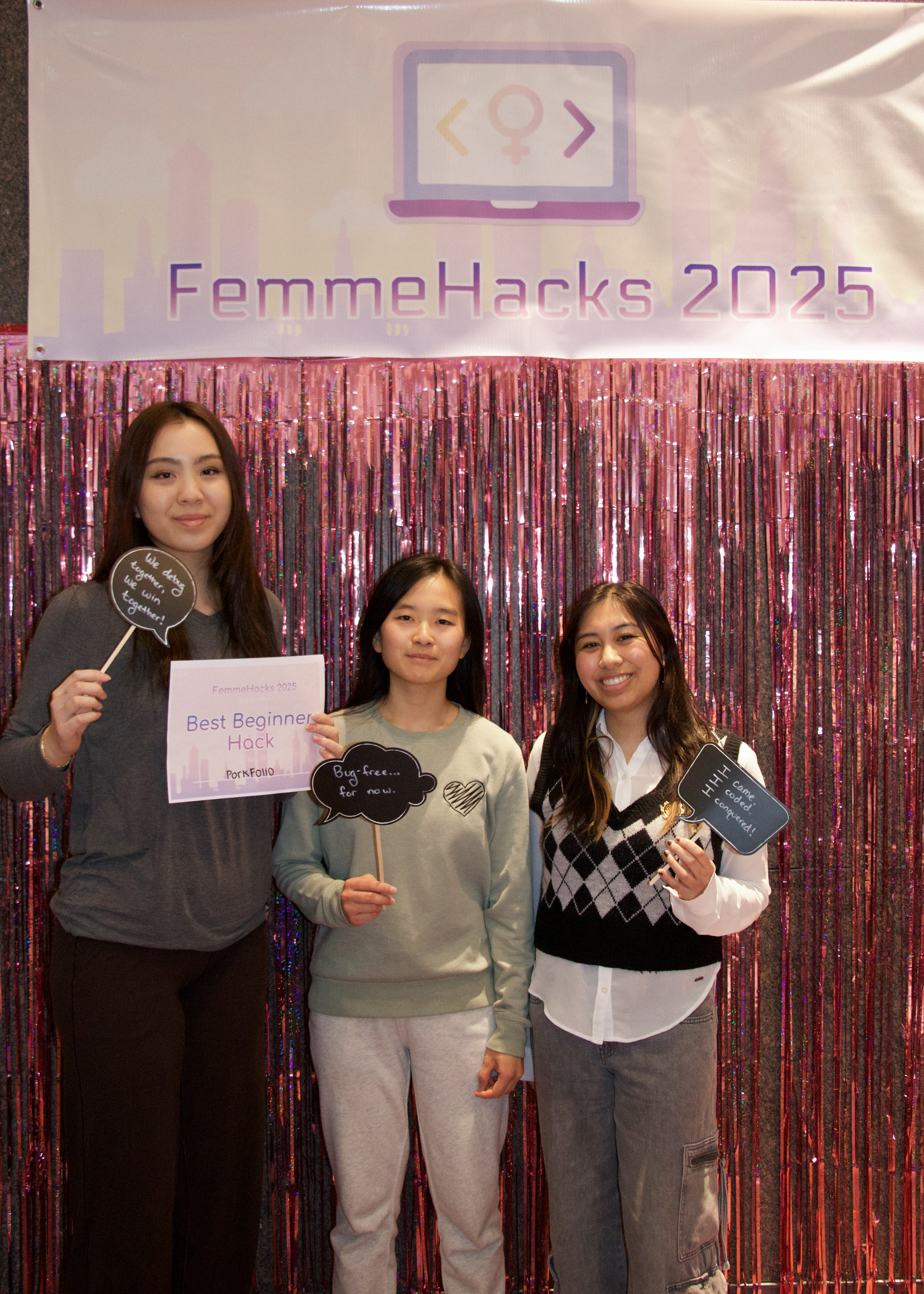
PorkFolio team accepting the winner award for Best Beginner Hack.
Our team proudly receiving a winning title for PorkFolio, recognized for our user-friendly design and impactful concept.
wrapping up
PorkFolio was an exciting challenge in designing under pressure, prioritizing user needs, and building something meaningful in just 24 hours. We’re proud of what we created, and even prouder to be recognized as one of the winning teams.

Want to see more?
→ View our full project on Devpost:
PorkFolio | AI That Helps You Budget Smarter and Invest in You

other work

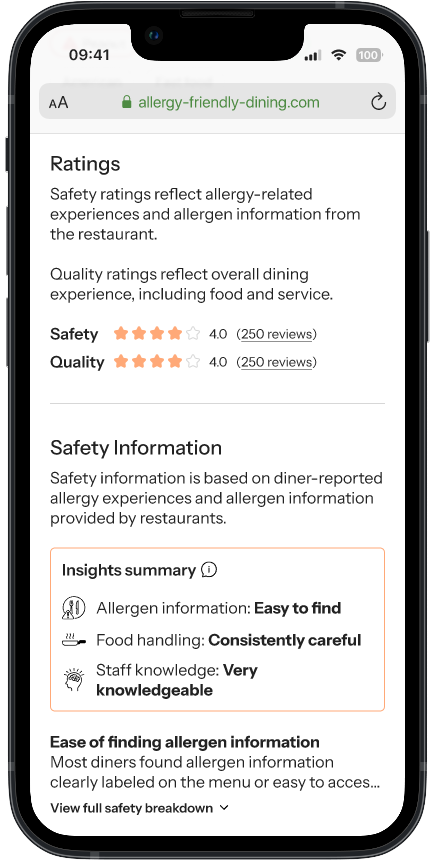
Mockups of AFD platform on various devices
Allergy-friendly dining
UX Strategy, Inclusive Design, Design Systems
The BoonSeek food truck logo
The BoonSeek Customer Loyalty Program
UX/UI Design, Cross-Platform Design, Usability Testing

Question icons created by Freepik - FlaticonNeon sign icons created by Freepik - Flaticon
Exclamation mark icons created by Freepik - Flaticon